
Senegal
Karo Zen
Dakar, Senegal
More photos
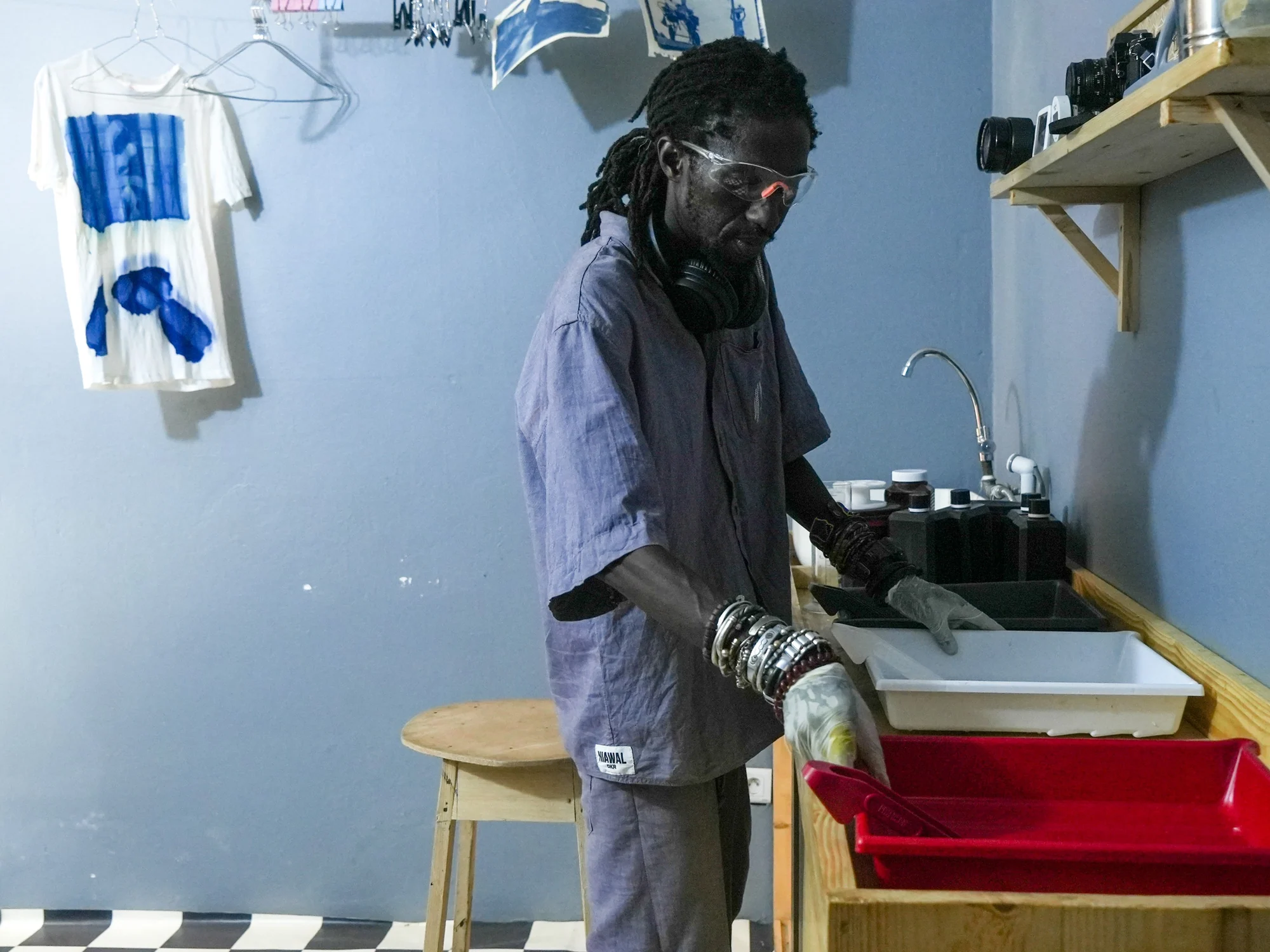
Who prints here
Karo Zen
Dakar, Senegal
I am Abasse Ndiaye, better known as Karo Zen, a self-taught photographer specialising in street photography. In 2019, I made an essential decision: to leave my job and devote myself fully to photography. Over the past year, I discovered film photography, which opened up a new perspective on my artistic path. Today I am looking for something that goes beyond simply creating images. I am deeply attached to memory, to time and to those moments we try to hold on to, but which always end up slipping away from us. In the digital age, where everything seems controllable, correctable and able to be started over, I feel the need to go back to the origins, to rediscover the material, the gestures and the very essence of photography. For me, photography is a deeply human art. So why seek perfection? Accidents, mistakes and imperfections are also part of its beauty. Opening this darkroom means finding a more sensitive and authentic relationship with the image, but also reinventing myself as an artist and as an individual. Finally, it means creating a space for research, experimentation and passing on knowledge, to introduce future generations to the magic of film and remind them that a photograph is not just an image, but a story, a trace and a memory.
Automatic translation from French · Read the original
Je suis Abasse Ndiaye, plus connu sous le nom de Karo Zen, photographe autodidacte spécialisé en photographie de rue. En 2019, j’ai pris une décision essentielle: quitter mon emploi pour me consacrer pleinement à la photographie. Au cours de l’année écoulée, j’ai découvert la photographie argentique, qui a ouvert une nouvelle perspective dans mon parcours artistique. Je cherche aujourd’hui quelque chose qui dépasse la simple création d’images. Je suis profondément attaché à la mémoire, au temps et à ces instants que nous tentons de retenir, mais qui finissent toujours par nous échapper. À l’ère du numérique, où tout semble contrôlable, corrigeable et recommençable, j’éprouve le besoin de revenir aux origines, de retrouver la matière, les gestes et l’essence même de la photographie. Pour moi, la photographie est un art profondément humain. Alors pourquoi chercher la perfection ? Les accidents, les erreurs et les imperfections font aussi sa beauté. Ouvrir ce laboratoire, c’est retrouver une relation plus sensible et authentique avec l’image, mais aussi me réinventer en tant qu’artiste et individu. C’est enfin créer un espace de recherche, d’expérimentation et de transmission, pour faire découvrir aux générations futures la magie de l’argentique et leur rappeler qu’une photographie n’est pas seulement une image, mais une histoire, une trace et une mémoire.
What they think of InMyDarkroom
I believe the value of a project like InMyDarkroom goes well beyond photography: it is also a small form of resistance to the distances, inequalities and isolation that characterise our world. I live in Dakar (Senegal) and I know how much the possibilities of travelling, meeting and exchanging remain deeply conditioned by geographical, economic and political borders. We do not all have the same opportunities to travel, to discover, to meet and to take part. Collective projects like this one, on the contrary, open up a freer space for sharing, where we can recognise one another as human beings even before our geographical origins. Mapping our darkrooms is also a way of affirming that we exist, that we produce culture and that we are part of a global community. Because passion, creativity and the desire to meet should have no borders. Mapping, in the end, is also drawing a geography of resistance: that of artists, independent spaces and niche cultures that go on existing, creating and reinventing themselves despite everything, often on the margins of the dominant cultural circuits.
Automatic translation from French · Read the original
Je crois que la valeur d’un projet comme InMyDarkroom va bien au-delà de la photographie: c’est aussi une petite forme de résistance aux distances, aux inégalités et à l’isolement qui caractérisent notre monde. Je vis à Dakar (Sénégal) et je sais combien les possibilités de déplacement, de rencontre et d’échange restent profondément conditionnées par les frontières géographiques, économiques et politiques. Nous n’avons pas tous les mêmes possibilités de voyager, de découvrir, de rencontrer et de participer. Des projets collectifs comme celui-ci ouvrent au contraire un espace de partage plus libre, où nous pouvons nous reconnaître en tant qu’êtres humains avant même nos origines géographiques. Cartographier nos chambres noires, c’est aussi affirmer que nous existons, que nous produisons de la culture et que nous faisons partie d’une communauté mondiale. Parce que la passion, la créativité et le désir de se rencontrer ne devraient pas avoir de frontières. Cartographier, au fond, c’est aussi dessiner une géographie de la résistance: celle des artistes, des espaces indépendants et des cultures de niche qui continuent d’exister, de créer et de se réinventer malgré tout, souvent en marge des circuits culturels dominants.
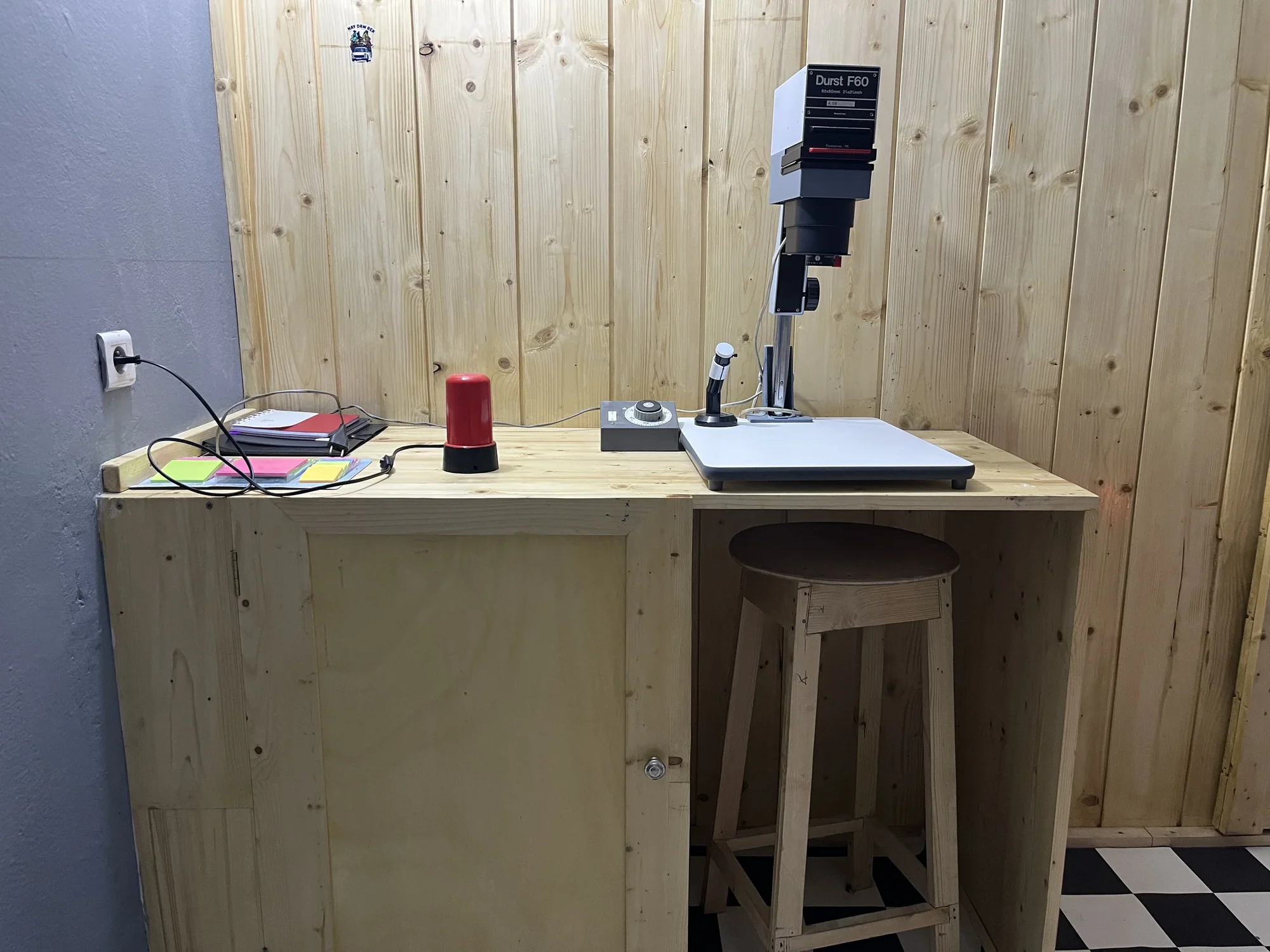
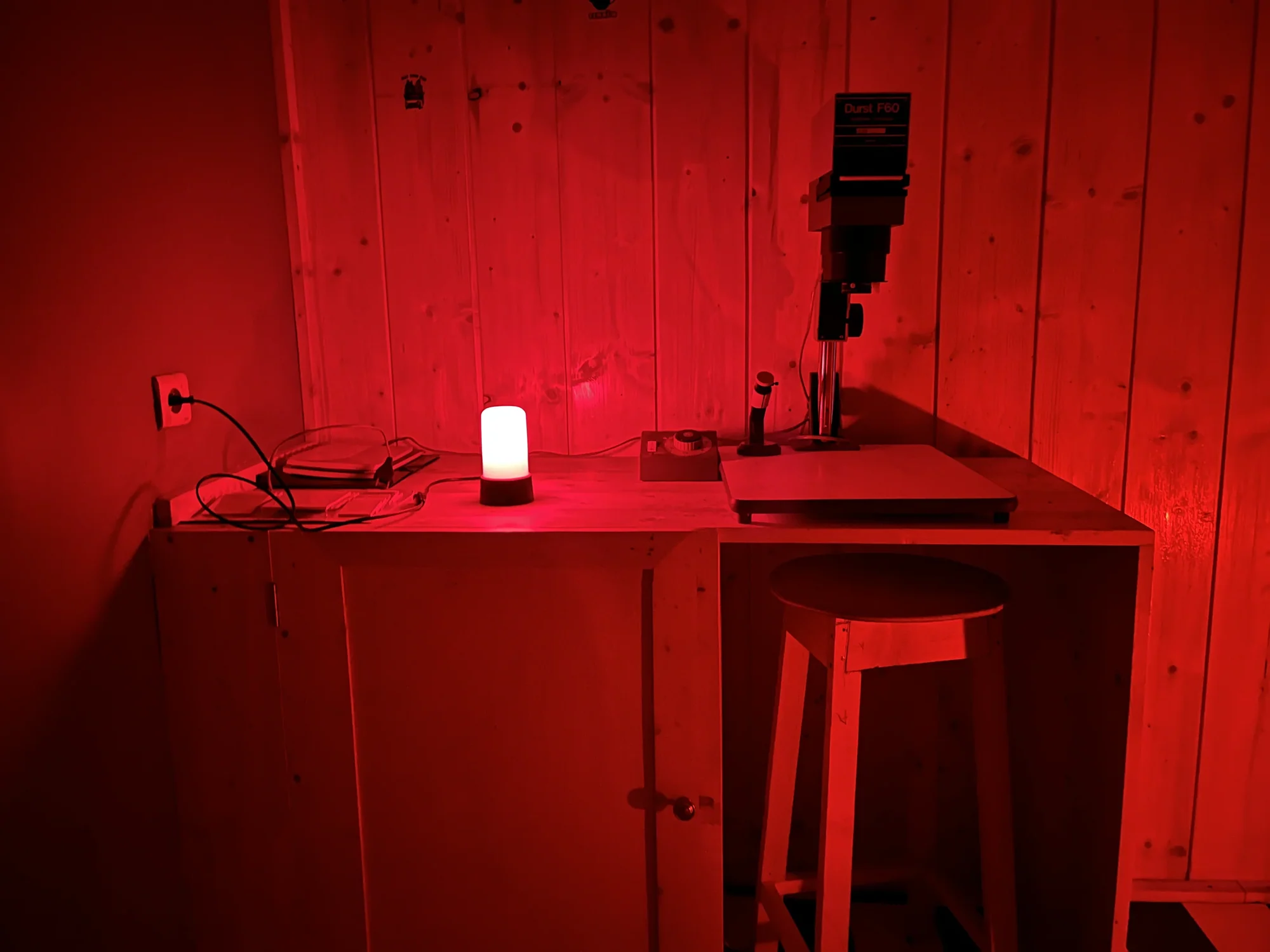
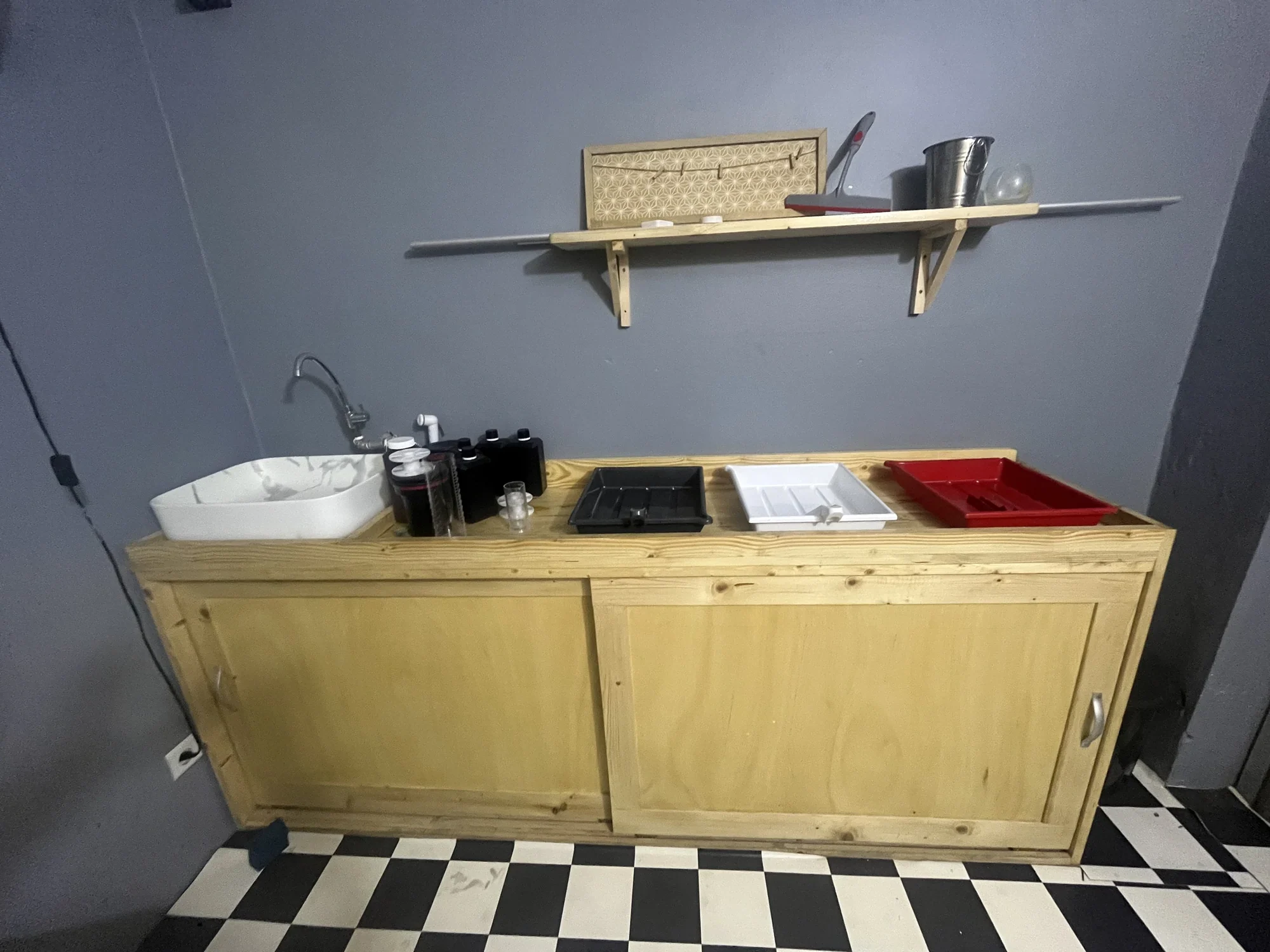
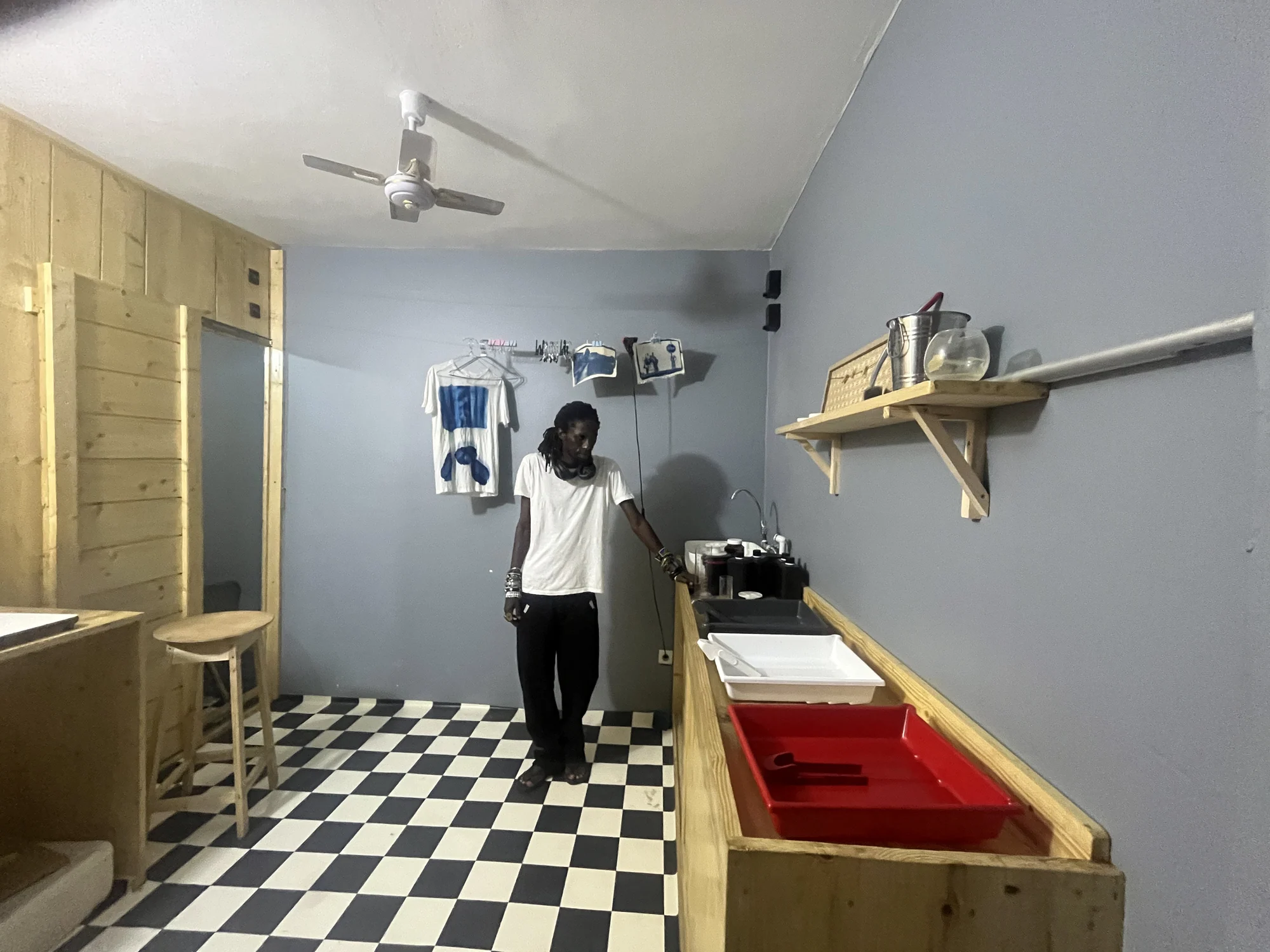
The darkroom
- Enlargers
- DURST F60
- Formats
- 35mm, 120
- Processes
- B&W printing, Film developing, Colour, Cyanotype
- Size
- 3-6 m²
- Space
- Dedicated room
- Setup
- Permanent
- Running water
- Yes
- Location
- Dakar, Senegal